Ensuring your gutters have the proper slope is crucial to protecting your home from water damage and maintaining efficient roof drainage. Whether you’re a DIY enthusiast or considering professional help, understanding how to identify, measure, and repair gutter slope issues will save you time, money, and frustration. This comprehensive guide walks you through everything you need to know about gutter slope adjustment and repair in 2025.
What is Gutter Slope and Why Does It Matter?
The gutter slope, often referred to as gutter pitch, is the angle at which your gutters are installed to allow water to flow properly toward downspouts. The ideal gutter slope is typically about 1/4 inch of downward slope for every 10 feet of gutter length. This subtle but important tilt prevents water from pooling, which can cause rust, sagging, and overflow.
Proper gutter slope ensures that rainwater flows smoothly off your roof and away from your home's foundation, reducing risks like basement flooding, soil erosion, and structural wood rot. Without the correct pitch, gutters may experience drainage issues such as standing water, increased debris buildup, and damage to fascia boards.
Maintaining the portland gutter maintenance appropriate slope is essential for functional gutter systems and effective rainwater management. It’s not just a matter of installation but also ongoing inspection and maintenance to prevent costly repairs.
Signs You Need Gutter Slope Adjustment or Repair
Recognizing early symptoms of improper gutter slope can save you from extensive damage down the line. Here are some common signs that indicate your gutters may need slope adjustment or repair:
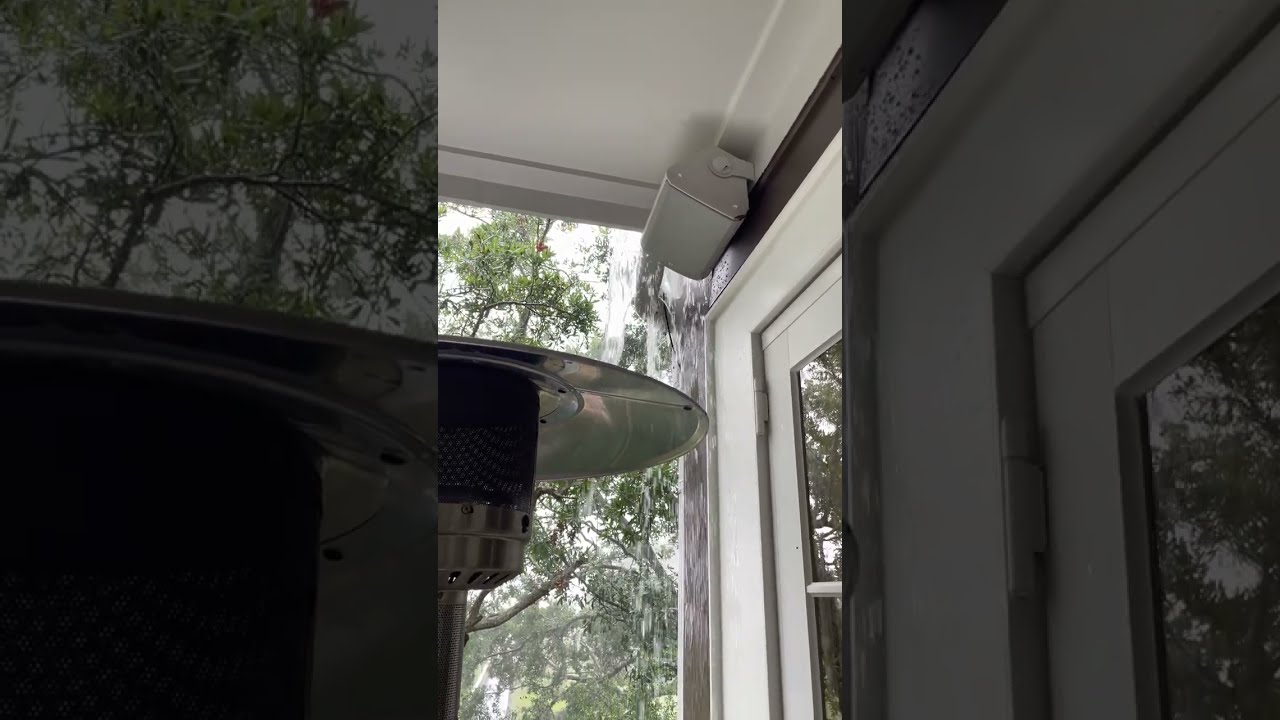
- Water Pooling in Gutters: Standing water that doesn’t drain quickly is a sure sign of low slope areas. Overflowing Gutters: Water spilling over edges during rainstorms suggests poor pitch or clogged gutters. Sagging Gutters: Visible droops or bends often result from insufficient slope and weakened hangers. Damage to Fascia or Walls: Water damage, staining, or rotting fascia boards may indicate gutter drainage problems. Ice Dams in Winter: Improper slope combined with cold weather can exacerbate ice buildup along gutters.
Ignoring these symptoms increases the risk of foundation issues, mold growth, and other water-related damages, making timely slope correction vital.
How to Measure and Check Your Gutter Slope
Before making repairs, it’s important to accurately assess your current gutter slope. Here’s how to measure and check it yourself:
- Tools Needed: A carpenter’s level (preferably a 2-foot level), a tape measure, and a pencil or marker for reference points. Measuring the Slope: Place the level inside the gutter near the highest point — usually closest to the end furthest from the downspout. Calculate Pitch: For every 10 feet of gutter length, a 1/4 inch drop is ideal. On your level, this corresponds to a slight tilt downward. Mark Low Spots: Move along the gutter in intervals, checking if water would stagnate at any section due to an insufficient drop. DIY Inspection Tips: Use a garden hose to simulate rainfall and observe water flow to pinpoint problem areas.
Knowing exactly where the slope is too low or uneven helps target repairs effectively.

Step-by-Step Guide to Adjusting Gutter Slope
Adjusting best gutter cleaning service in portland, oregon the gutter slope involves repositioning the hangers or brackets holding the gutters to the fascia and ensuring the pitch portland gutter cleaners is adequate for drainage. Follow these steps:
Safety First: Use a sturdy ladder and gloves. Avoid working on gutters during wet or windy conditions.Remove Debris: Clean the gutters entirely to avoid obstruction during adjustments.
Loosen Gutters: Slightly loosen the screws or nails attaching the gutters to the hangers or fascia to allow movement.
Adjust Hangers: Raise or lower the gutter by adjusting the hangers so the slope aligns with the 1/4 inch per 10 feet guideline.
Check Level: Use a level frequently as you make adjustments to ensure consistent slope.
Secure Fasteners: Once the desired slope is achieved, tighten all screws or nails firmly.
Test Flow: Run water through the gutters to verify smooth drainage toward the downspouts.
Adjusting gutters properly requires patience and precise measurement to ensure long-term efficiency.
Common Gutter Slope Repair Methods
Depending on the issue, different repair methods may be needed to fix gutter slope problems effectively:
- Repairing Sagging Gutters: Replace or reinforce damaged hangers, and add additional support brackets if necessary. Fixing Low Spots: Adjust gutter sections by lifting or lowering hangers, possibly trimming and reattaching parts for better alignment. Replacing Damaged Hangers: Swap out rusted or broken hangers with new ones designed for your gutter type. Sealing Joints After Slope Fix: Apply high-quality gutter sealant to all seams and joints disturbed during adjustment to prevent leaks.
Each method should be tailored to the specific condition of your gutter to maximize durability.

When to Call a Professional for Gutter Slope Repairs
Sometimes gutter slope problems require expert attention, especially when the damage is extensive or difficult to access. Consider hiring a professional if:
- The gutters are severely sagged or detached. Multiple slope adjustments are needed along long runs of gutter. You lack proper tools or safety equipment for working at heights. There’s significant water damage to fascia boards or roof edges. You want a comprehensive inspection and maintenance plan.
Professional gutter repair services typically range from $150 to $600 depending on scope, materials, and labor involved. Experts offer benefits such as guaranteed workmanship, safe installations, and advice on preventing future issues.
Tools and Materials Needed for Gutter Slope Adjustment
Having the right tools can simplify DIY gutter slope repairs. Essential items include:
- Gutter Levels: Specialized small levels or laser levels help measure slope precisely. Gutter Hangers and Brackets: High-quality aluminum or stainless steel hangers provide strong support. Sealants: Waterproof silicone or urethane sealants ensure watertight joints after repairs. Fasteners: Galvanized or stainless screws resist rust and secure gutters firmly. Hand Tools: Screwdrivers, pliers, hammers, and ladders are essential for adjustments.
Investing in durable materials guarantees longevity and reduces the need for repeated repairs.
Preventative Maintenance Tips to Keep Proper Gutter Slope
Regular maintenance plays a key role in preserving gutter slope and maximizing efficiency. Follow these tips:
- Clean Gutters Seasonally: Remove leaves and debris to prevent clogs that cause overflow and added weight on gutters. Inspect Hangers Regularly: Check for loose or damaged hangers at least twice a year and after storms. Examine Slope Annually: Re-check gutter pitch to catch any sagging before it worsens. Prepare for Winter: Use heating cables or insulation in cold climates to prevent ice dams that stress gutters. Trim Nearby Trees: Minimize debris buildup and reduce strain on your gutters.
Consistent care extends your gutter system’s lifespan and protects your home’s foundation.
Conclusion
Proper gutter slope is fundamental for effective water drainage and safeguarding your home from water damage. By knowing how to identify slope issues, measure pitch accurately, and perform repairs either yourself or through professionals, you ensure your gutters function optimally year-round. Utilize the right tools, follow maintenance best practices, and always prioritize safety to keep your gutter system in prime condition.
Ready to fix or maintain your gutters? Start with a thorough inspection today, and don’t hesitate to consult professional gutter repair services for complex issues. Protect your investment and enjoy hassle-free rainy seasons with correctly sloped gutters!
Portland Gutter Pros provides expert gutter cleaning, repair, and installation services to protect your home from water damage. Located at 107 SE Washington St, Portland, OR 97214, we offer reliable service and quality craftsmanship throughout the Portland area. Call (971) 357-1385 or email [email protected] for a free estimate today.